China Top Modular Construction Offices for Global Buyers

China has become a major sourcing destination for modular construction offices, serving projects from logistics parks to remote work sites. Buyers often value factory efficiency, flexible layouts, and competitive production capacity. Yet a low quotation alone cannot prove a reliable supplier.

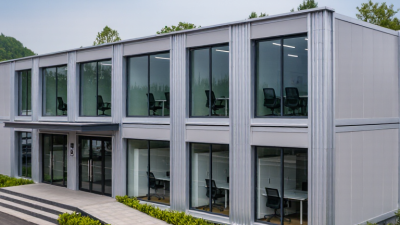
This guide examines how experienced manufacturers design, produce, inspect, and ship modular office units for global customers. A typical project may include 20-foot modules, steel frames, insulated wall panels, fire-rated doors, wiring, lighting, and climate-control systems. At the factory, buyers should review welding records, material certificates, dimensional checks, and water-resistance testing. Photos help, but independent inspections provide stronger evidence. Site visits can reveal details that brochures miss.

Reliable suppliers also understand more than fabrication. They should discuss local building requirements, wind loads, electrical systems, foundation conditions, transport limits, and installation procedures. A clear quotation should separate module costs, packaging, shipping, customs responsibilities, site assembly, and after-sales support. Warranty terms need careful reading. They can vary widely.

No supplier is perfect. Even experienced teams may face delays, design changes, or communication gaps. That reality deserves attention. A responsible sourcing process includes approved drawings, milestone inspections, sample confirmation, and written acceptance standards. Buyers should compare completed projects, client references, production capacity, and engineering support before committing. The strongest modular construction offices are not simply attractive or inexpensive. They are practical, documented, adaptable, and supported throughout their service life. That is where professional judgment matters most.
China Top Modular Construction Offices for Global Buyers

What Modular Construction Offices Are and Why Global Buyers Choose Them

Modular construction offices are workspaces assembled from factory-made units, then transported and connected on site. A typical unit may include flooring, wall panels, wiring routes, lighting, and finished interior surfaces. Global buyers choose this method because production can continue while foundations are prepared.

McKinsey’s 2019 report found that modular construction can reduce project schedules by 20–50% and lower costs by up to 20%, when designs and logistics are well coordinated.

Speed matters.

Buyers also examine quality, carbon impact, and future flexibility. Factory production allows repeated inspections, digital measurements, and controlled material storage. It can reduce weather-related delays and site waste, although results vary by project. The 2023 Global Status Report for Buildings and Construction reported that buildings and construction generated 37% of global energy-related emissions in 2022.

Modular offices may support lower-impact delivery through efficient cutting and repeatable components, but transport distance can weaken that advantage. This point is often overlooked.

From practical project experience, the strongest buyers define fire ratings, insulation targets, electrical standards, and local approval requirements before ordering. They also request factory inspection records and installation tolerances. A low purchase price alone is not reliable. Poor coordination between module dimensions and foundations can create expensive adjustments. Modular offices are not automatically better; they work best when engineering, manufacturing, shipping, and site installation are treated as one system.

Main Office Types, Materials, Layouts, and Customization Options

China Top Modular Construction Offices for Global Buyers

China’s modular office market serves site cabins, portable offices, meeting rooms, and multi-story workplace units. Each type supports a different project rhythm. Site offices favor quick installation and durable finishes. Portable units work well for temporary teams and remote locations. Multi-story modules provide greater capacity, but they require careful structural coordination. No layout is perfect.

Materials influence comfort, service life, and shipping cost. Galvanized steel frames offer strength and consistent production quality. Sandwich panels can improve thermal and acoustic performance. Rock wool, polyurethane, and other cores suit different climates and fire-performance requirements. Flooring may include vinyl, cement board, or laminate. Details matter. A cheaper panel can increase cooling demand later.

Layout planning should reflect real movement, not only a clean drawing.

A practical office may include workstations, a private room, storage, washrooms, and a small reception zone. Wide doorways help equipment access. Cable routes should remain reachable after installation.

Custom options include window size, insulation thickness, electrical standards, lighting, furniture, exterior colors, and bathroom fittings. I have seen attractive layouts fail because storage was ignored. My own preference is to test furniture positions before approving production.

Buyers should request material samples, load data, inspection records, and installation drawings. Factory inspections and staged quality checks reduce misunderstandings, although they cannot replace local code review. Suppliers may promise flexibility, but every change affects weight, cost, lead time, or transport limits. Keep it practical.

How Chinese Manufacturers Design, Produce, and Deliver Modular Offices

Chinese modular office manufacturers serve global buyers by turning planning data into repeatable, inspected workspaces. Design usually begins with drawings, local codes, climate records, and the buyer’s daily workflow. A coastal site may need corrosion-resistant panels, while a cold region requires thicker insulation and protected plumbing. Engineers model room sizes, cable routes, fire exits, lighting, and ventilation before fabrication starts. Small details matter. A misplaced socket can disrupt an entire workstation row.

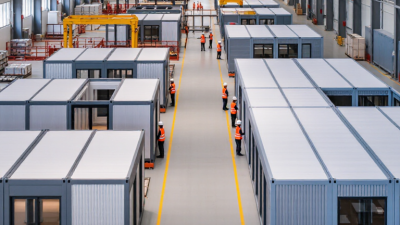
In the factory, steel frames are cut, welded, treated, and checked against approved dimensions. Wall, ceiling, floor, and window modules are assembled under controlled conditions, reducing weather-related delays. Quality teams inspect welds, insulation joints, waterproofing, door alignment, and electrical continuity. Photographs, material records, and test reports give overseas buyers a clearer audit trail. Yet factory precision does not remove every risk. Transport vibration can loosen fittings or damage unprotected corners. Some suppliers still underestimate this stage.

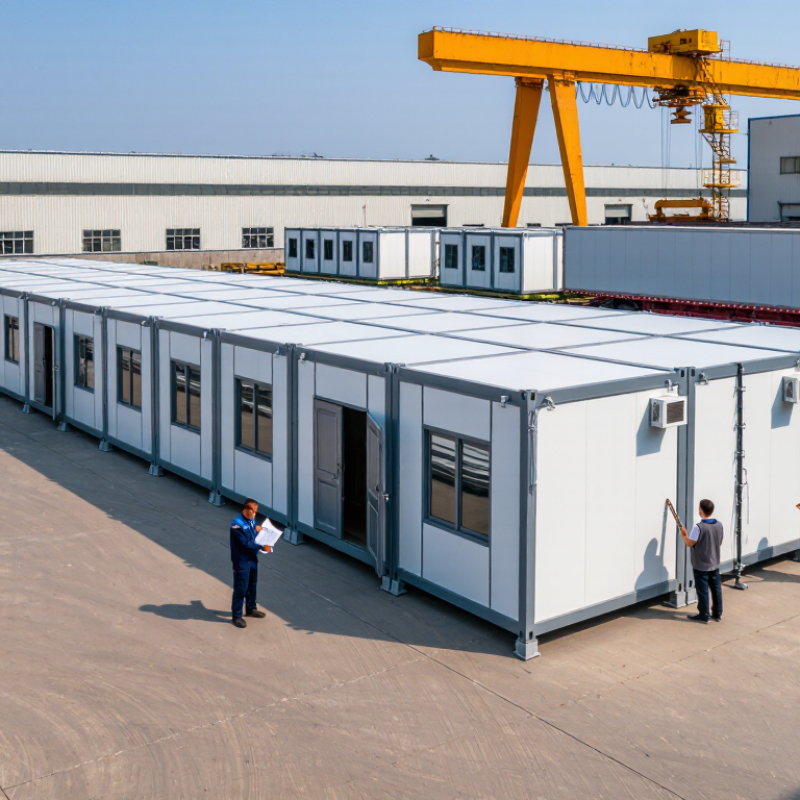
Experienced exporters protect modules with reinforced wrapping, corner guards, lifting points, and moisture control. They coordinate container loading, route limits, customs documents, and unloading equipment with the buyer’s site team. Installation guidance may include numbered parts, connection drawings, and remote technical support during assembly. A reliable manufacturer confirms tolerances instead of promising perfect results without evidence. That honesty helps. Buyers should review samples, inspection checkpoints, warranty terms, and local installation responsibilities before production. A practical project leaves room for adjustment, because site conditions rarely match drawings exactly.

Quality Standards, Certifications, Pricing Factors, and Purchase Terms

For global buyers, modular office quality begins with documented production control, not attractive renderings. In procurement reviews, I check steel thickness, welding records, insulation density, floor loading, and water-sealing details. Ask for factory inspection reports and material traceability. Details matter.

Relevant certifications should match the destination market and building use. ISO 9001 supports quality management, but it does not prove structural safety. Request test evidence for fire resistance, electrical protection, thermal performance, and wind or snow loads. Local authorities may require additional approvals. A certificate without a clear scope deserves careful review.

Pricing depends on more than the module itself. The quotation should separate structure, interior finishes, furniture, engineering, packaging, transport, taxes, installation, and site preparation. Compare specifications line by line. A lower price may hide thinner panels or incomplete electrical work. Confirm the trade term, delivery port, production lead time, payment schedule, inspection rights, spare parts, and warranty response. I prefer staged payments linked to verified milestones, with final payment after inspection. Purchase contracts should define acceptable tolerances and remedies for delays. This is often overlooked. A practical buyer should also order a sample room or approve detailed drawings before mass production. Mistakes become expensive after containers leave the factory. Even experienced teams sometimes underestimate foundation work and local utility connections. That risk needs an honest allowance.

China Top Modular Construction Offices for Global Buyers

How to read the chart: The bars show the publication year of widely referenced international standards relevant to modular office quality, environmental management, worker safety, BIM information management, and construction sustainability. A standard publication year is not a certification score; buyers should request a valid certificate and verify its scope, issuing body, and expiration date.

Purchase considerations: Pricing is commonly influenced by floor area, structural system, insulation and fire-rating requirements, glazing, interior fit-out, MEP specification, factory testing, packaging, shipping, customs duties, installation, and local code compliance. Purchase terms should clearly define technical specifications, approved drawings, Incoterms, payment milestones, inspection rights, delivery schedule, warranty, spare parts, and remedies for non-conformance.

How to Evaluate Suppliers, Manage Installation, and Plan Long-Term Use

China Top Modular Construction Offices for Global Buyers

Supplier evaluation should begin with evidence, not attractive renderings. Ask for factory inspection records, material specifications, production photographs, and references from similar climates. Confirm who controls structural calculations, fire protection, electrical systems, and quality checks. A capable supplier should explain tolerances clearly, such as a two-millimeter panel gap or floor-level requirement. Request a sample wall section before signing a large contract. It exposes insulation, sealing, and finishing problems early. Price alone misleads.

Installation planning needs equal attention. Prepare a detailed site survey covering access roads, crane capacity, ground conditions, drainage, and local permits. Mark the unloading area with visible boundaries. Confirm module dimensions against bridges, gates, and turning spaces. Assign one responsible coordinator for daily decisions. Keep a written record of damaged parts, weather delays, and design changes. Small omissions can create expensive waiting time. Do not assume the supplier understands local working habits. That assumption has caused avoidable confusion on many projects.

Long-term use depends on maintenance, not only initial quality. Require manuals for roof seals, ventilation filters, electrical panels, and exterior coatings. Store replacement materials locally when possible. Plan inspections after heavy rain, strong winds, or unusual movement. A five-year maintenance budget is more useful than a low purchase price. Some buyers focus too heavily on fast installation. We have seen offices perform well at opening, then decline because drainage cleaning was ignored. Review the plan honestly, including its weak points.

TOP