

Ramtech Building Systems is a leading provider of modular building systems including relocatable, permanent and prefabricated constructions.
T (817) 473-9376
Email: sale@viennavahouses.com
Ramtech Bulding Systems
1400 US Hwy 287 South Mansfield, TX 76063
Ramtech Blog
China Top 10 Modular Retail Building Manufacturers?
China Top 10 Modular Retail Building Manufacturers? This question matters as retailers seek faster openings, lower site disruption, and more predictable construction costs. A modular retail building can arrive with wall panels, wiring, flooring, and shopfront elements already assembled. On a busy urban site, that can reduce noise, waste, and installation time. Yet factory speed does not guarantee retail quality.
The Modular Building Institute’s 2024 Permanent Modular Construction Annual Report shows continued market expansion in commercial and institutional projects. Its findings highlight stronger demand for controlled production, shorter schedules, and repeatable building systems. McKinsey’s report, Modular Construction: From Projects to Products, also identifies modular methods as a major productivity opportunity in construction. These reports support closer evaluation of Chinese manufacturers, especially those serving supermarkets, cafés, showrooms, kiosks, and roadside stores.
Tom Hardiman Jr., Executive Director of the Modular Building Institute, often describes modular construction as “a process, not a product.” This principle is useful when comparing China’s top manufacturers. Their real differences appear in engineering control, fire-safety documentation, material traceability, shipping experience, and after-sales support. A polished showroom can hide weak coordination. The details matter.
This ranking should not rely only on factory size or online visibility. It should examine completed retail projects, production capacity, customization skills, certifications, and export records. Some published company claims are difficult to verify independently. That limitation deserves attention. Buyers should request drawings, test reports, installation photographs, and client references before making decisions. The following selection offers a practical starting point, not a permanent verdict.
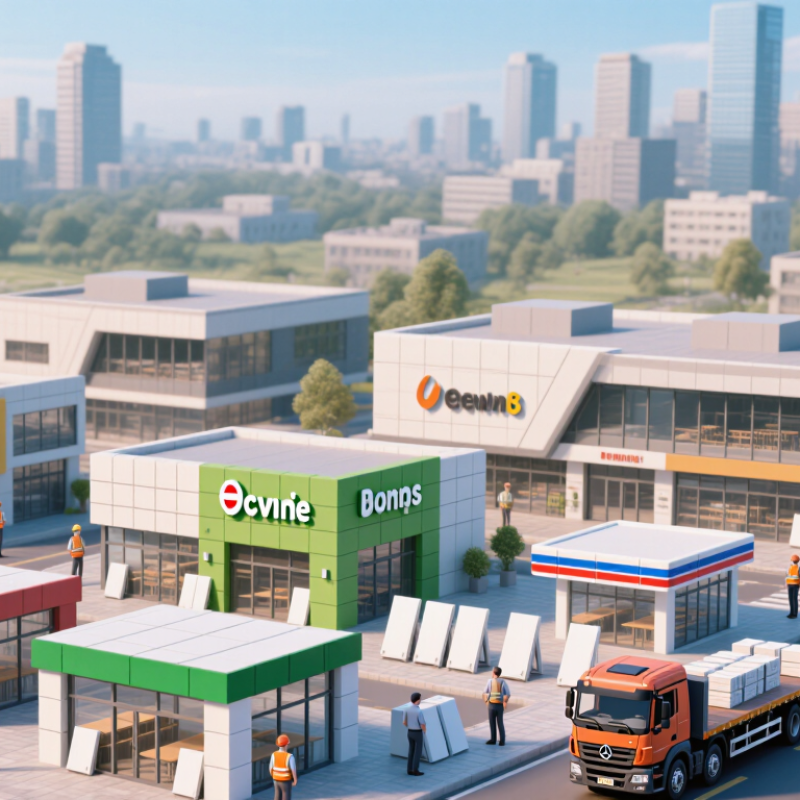
What Defines a Modular Retail Building Manufacturer?
A modular retail building manufacturer does more than assemble boxes in a factory. It converts a store concept into repeatable modules, transportable sections, and a safe site installation plan. Experienced manufacturers coordinate architects, structural engineers, logistics teams, and local inspectors from the beginning.
Reliable work is visible in small details. Floor levels must align across modules. Storefront glazing needs protection during transport. Electrical routes should match display lighting, security systems, and checkout equipment. Mechanical systems must support customer comfort during busy trading hours. Fire resistance, accessibility, energy performance, and local building requirements also need documented verification.
Factory experience matters. Skilled teams control moisture, inspect welds, record material changes, and protect finished surfaces before delivery. They should provide drawings, testing records, maintenance guidance, and clear warranty terms. Communication is equally important when site conditions change.
Not every polished module performs well. A clean showroom can hide weak joints or difficult repairs. I have seen projects lose time because delivery routes were checked too late. That mistake is avoidable, but it still happens. Strong manufacturers welcome independent inspections and explain limitations honestly. They also review completed projects, because installation feedback can reveal problems that factory checklists miss. Retail buildings must look inviting, yet their real quality appears in alignment, durability, safety, and daily maintenance.
China Top 10 Modular Retail Building Manufacturers? - What Defines a Modular Retail Building Manufacturer?
A practical, standards-based framework for evaluating modular retail building manufacturers without displaying company or brand information.
| No. | Evaluation Dimension | What Defines a Qualified Manufacturer | Objective Evidence or Applicable Standard | Why It Matters for Retail Projects |
|---|---|---|---|---|
| 1 | Design and Engineering Capability | Provides integrated architectural, structural, mechanical, electrical, plumbing, fire-protection, and retail-layout engineering before fabrication begins. | Coordinated design drawings, structural calculations, shop drawings, BIM coordination, and documented design-change procedures. | Reduces site conflicts, rework, approval delays, and installation risks. |
| 2 | Quality Management System | Uses controlled production processes, inspection plans, traceable materials, nonconformance procedures, and final quality inspections. | ISO 9001 quality-management practices, inspection and test plans, production records, and corrective-action reports. | Creates repeatable quality across multiple retail units and production batches. |
| 3 | Structural and Fabrication Compliance | Designs and fabricates the modular frame for transportation, lifting, stacking, wind, snow, seismic, and in-service loads. | IBC project compliance, locally applicable structural codes, material certificates, welding procedures, and engineer-approved calculations. | Protects occupants and prevents distortion or damage during lifting, transport, and installation. |
| 4 | Fire and Life-Safety Performance | Integrates fire-rated assemblies, escape routes, emergency lighting, alarms, fire stopping, and fire-protection systems into the modular design. | NFPA 101 requirements where applicable, fire-test reports such as ASTM E119 or UL 263, and authority-approved fire-system designs. | Supports occupancy approval and protects customers, employees, merchandise, and neighboring units. |
| 5 | Building Envelope and Weather Resistance | Controls water penetration, air leakage, thermal bridging, condensation, corrosion, and joint movement at module interfaces. | Envelope details, sealant specifications, drainage designs, water-resistance testing, corrosion-protection records, and documented interface inspections. | Retail buildings require reliable performance despite frequent door use, signage penetrations, and exposed loading areas. |
| 6 | Energy and Indoor Environmental Performance | Selects insulation, glazing, HVAC systems, lighting, controls, and ventilation according to the project’s climate and operating schedule. | IECC or ASHRAE 90.1 energy compliance, HVAC load calculations, lighting-power calculations, and ventilation documentation. | Helps control operating costs and maintains comfortable conditions for shoppers and staff. |
| 7 | Retail-Specific Customization | Can adapt layouts for sales floors, checkout zones, stockrooms, service counters, display walls, signage, storefront glazing, and brand-neutral fit-outs. | Flexible module grids, standardized connection details, coordinated shop drawings, sample interiors, and documented options for finishes and fixtures. | Allows the same manufacturing platform to support different store formats and site conditions. |
| 8 | Factory Capacity and Production Control | Maintains adequate factory space, equipment, skilled labor, material planning, and production scheduling for repeatable multi-unit delivery. | Factory quality plans, production schedules, capacity statements, material traceability, inspection gates, and documented assembly procedures. | Improves schedule reliability when several retail locations must open within a coordinated rollout. |
| 9 | Logistics, Lifting, and Site Installation | Plans module dimensions, route restrictions, lifting points, temporary bracing, transport protection, site foundations, utilities, and final connections. | Transport studies, lifting plans, connection details, installation method statements, site-interface drawings, and commissioning checklists. | Successful off-site production depends on safe delivery and accurate on-site assembly. |
| 10 | Documentation, Warranty, and After-Sales Support | Provides complete handover documents, operation manuals, maintenance schedules, spare-parts information, warranty terms, and defect-response procedures. | As-built drawings, product data sheets, testing certificates, commissioning records, warranty documents, and defined service-level procedures. | Supports long-term maintenance, faster repairs, regulatory audits, and consistent operation across the retail portfolio. |
Related Posts
-
Why Choose a Prefabricated Office Building?
-
Top Outdoor Modular Office Buildings for Sale?
-

China Top 10 Prefabricated Office Building Suppliers
-
Top Benefits of Used Modular Office Buildings for Modern Workspaces?
-
What Are the Benefits of Prefab Commercial Buildings?
-
What is a Manufactured Building and How is it Different from Traditional Homes?