How to Start a Profitable Prefab Business Building in Your Area?

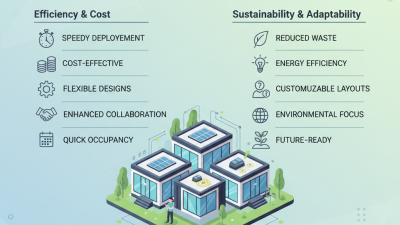
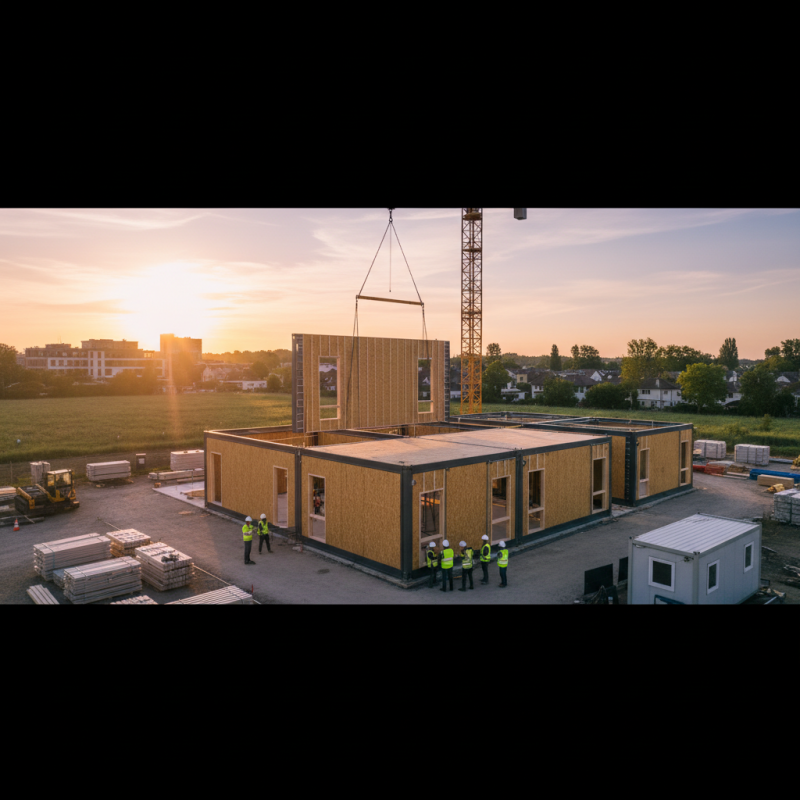
The prefab business building sector is gaining traction. According to a recent market analysis, the global prefabricated construction market is projected to reach $215 billion by 2027. This growth is fueled by rising demand for affordable housing and sustainable construction practices. Prefab structures are quicker to build and often cost-effective, making them attractive to developers and investors alike.

While entering this competitive field, it is essential to recognize that success doesn’t come easy. Challenges include sourcing quality materials and navigating local building codes. Engaging with community planners can be daunting. However, overcoming these obstacles can lead to substantial rewards. The average cost savings on a prefab building can reach 20% compared to traditional construction methods.

Starting a profitable prefab business building can transform your local market. Yet, it demands foresight and strategic planning. Acknowledging potential pitfalls, such as fluctuating material costs, is crucial. Refining your approach based on ongoing feedback can enhance your business model. With careful execution, you can tap into this booming industry and create significant value.
How to Start a Profitable Prefab Business Building in Your Area?

Identifying Market Demand for Prefabricated Buildings in Your Area

Identifying market demand for prefabricated buildings in your area is crucial. Begin by analyzing local construction trends. Look around. Are there new residential or commercial developments? Gather data from local zoning boards. This information will guide your business decisions.

Next, engage with your community. Attend town hall meetings or local trade shows. Chat with builders and architects about their needs. Use surveys to gather insights from potential clients. People may have unique requests. Be open to feedback to refine your offerings. Remember, market demand can shift. Stay adaptable.

Lastly, consider pricing strategies. Are prefabricated buildings cost-effective compared to traditional methods in your area? Analyze competitors. A competitive edge is essential. Evaluate your costs but remain flexible in your pricing. There are always improvements to be made. Reflect on what works and what doesn't. Stay updated on market trends to ensure continued relevance.
Researching Local Regulations and Building Codes for Prefab Construction

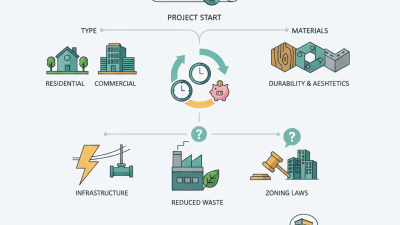
When considering a prefab business, local regulations are crucial. Each area has unique rules governing construction. Understanding these regulations can save time and money. Start by researching zoning laws. Zoning dictates what types of structures can be built. Investigate residential, commercial, and mixed-use designations. This information shapes the direction of your business.

Next, dive into building codes. Building codes ensure safety and sustainability. They outline standards for design, construction, and materials. Review requirements for fire safety, energy efficiency, and environmental impact. Often, codes vary by municipality. Missing a single detail may lead to costly delays. Local permits might also be necessary. Apply early; the approval process can be lengthy.

Engage with local officials. They can offer insights into the approval process. Attend community meetings to hear about upcoming changes in regulations. Networking with industry peers may also reveal best practices. There may be hurdles, like complex paperwork or stringent inspections. Tackle these challenges head-on. Ignoring them can lead to serious setbacks. Staying informed is key to building a successful prefab business.

Choosing the Right Materials and Suppliers for Prefab Building Projects

Choosing the right materials and suppliers for prefab building projects is crucial. You want durable options that can withstand local weather. Consider the long-term performance of materials like steel, wood, or concrete. Each has its pros and cons. Steel offers strength but can be expensive. Wood is versatile yet may require more maintenance.

Finding reliable suppliers is another key step. Not all suppliers have the same quality standards. Research local suppliers thoroughly. Ask for samples and check reviews. It’s important to establish good relationships. A reliable supplier can help you navigate issues later on. Delays in material delivery can derail your project.

Don’t forget about sustainability. Eco-friendly materials are increasingly popular. They can attract environmentally conscious clients. However, these materials might come at a higher initial cost. Weigh the benefits against the expenses. Reflect on your target market and their preferences. Ultimately, balancing quality, cost, and sustainability is vital.

Developing a Business Plan and Funding Strategy for Your Prefab Venture

Creating a solid business plan is essential for a profitable prefab venture. Start by analyzing your market. Identify the demand for prefab buildings in your area. Know your target audience. Consider residential, commercial, or industrial clients. This research can shape your services to meet local needs.

Next, outline your funding strategy. Determine how much capital is needed to kickstart your business. Calculate costs for materials, labor, and permits. Explore various funding options, such as loans, grants, or investors. It’s crucial to present a clear financial plan. Keep in mind that unexpected expenses may arise. Be ready to adapt your plan as you refine your approach.

Building a team is another key element. Assess your skills and those of potential employees. Everyone must share your vision. Sometimes, it’s hard to find the right people. Communication is vital within the team. Regular meetings can help keep everyone on the same page. Reflect on team dynamics frequently, as these can alter business outcomes.

Prefab Business Startup Costs Analysis

Marketing Your Prefab Business to Attract Potential Customers and Clients

How to Start a Profitable Prefab Business Building in Your Area?

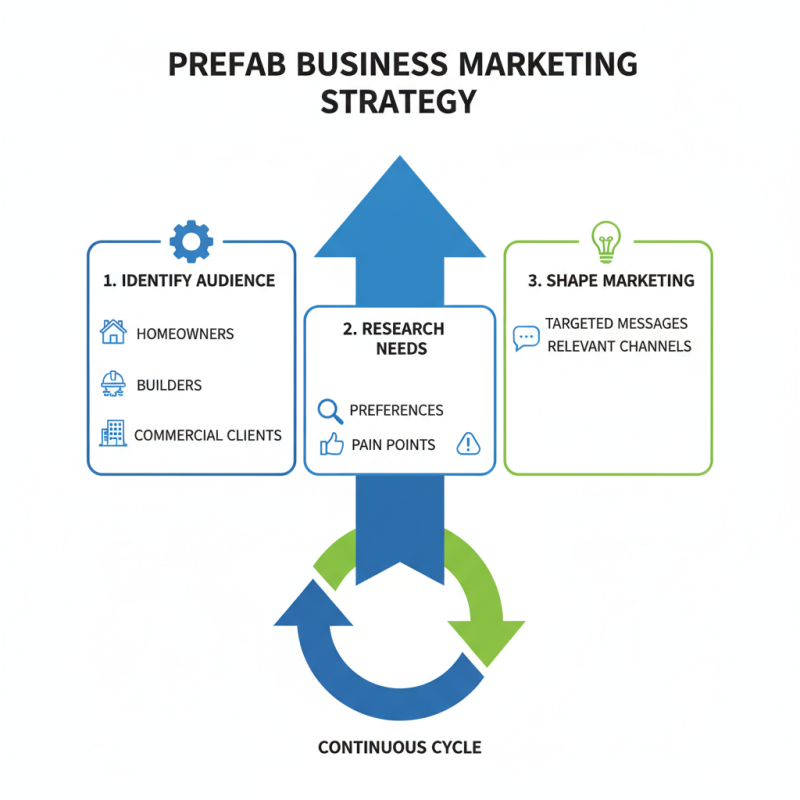
Marketing your prefab business requires a clear strategy. Start by identifying your target audience. This could include homeowners, builders, or commercial clients. Research their needs and preferences. Understanding your audience shapes your marketing efforts.

Use social media to connect with potential customers. Platforms like Instagram and Facebook are visually driven. Share pictures of completed projects. Showcase unique designs and features. Engage actively by responding to comments and inquiries. This builds trust and fosters relationships.

Consider hosting local events. Invite community members to tour your prefabs. Offer workshops on benefits and applications. These interactions can build brand awareness. Don’t be discouraged by slow growth. You may face challenges in reaching your audience. Reflect on your methods and adapt accordingly.

TOP