What is a Prefab Business Building and Why Choose This Construction Method
In recent years, the concept of a prefab business building has gained significant traction within the construction industry. Prefabricated structures, designed and assembled off-site, offer a modern alternative to traditional building methods. As businesses increasingly seek efficient, cost-effective, and sustainable solutions for their premises, prefab construction has emerged as a viable option, catering to a range of commercial needs from offices to retail spaces. The integration of advanced manufacturing techniques allows for a high degree of customization, ensuring that these buildings are not only functional but also align with the unique branding and operational requirements of various enterprises.
Choosing a prefab business building can bring numerous advantages, including reduced construction time, lower labor costs, and minimized waste. Companies are able to move quickly from concept to completion, allowing them to capitalize on market opportunities without the long wait times typically associated with conventional construction. Additionally, the adaptability of prefab structures makes them an ideal choice for businesses anticipating growth or changes in their operational needs. As we explore the various facets of prefab building methods, it becomes evident why this approach continues to attract attention from entrepreneurs and developers alike.
What is a Prefab Business Building: Definition and Overview
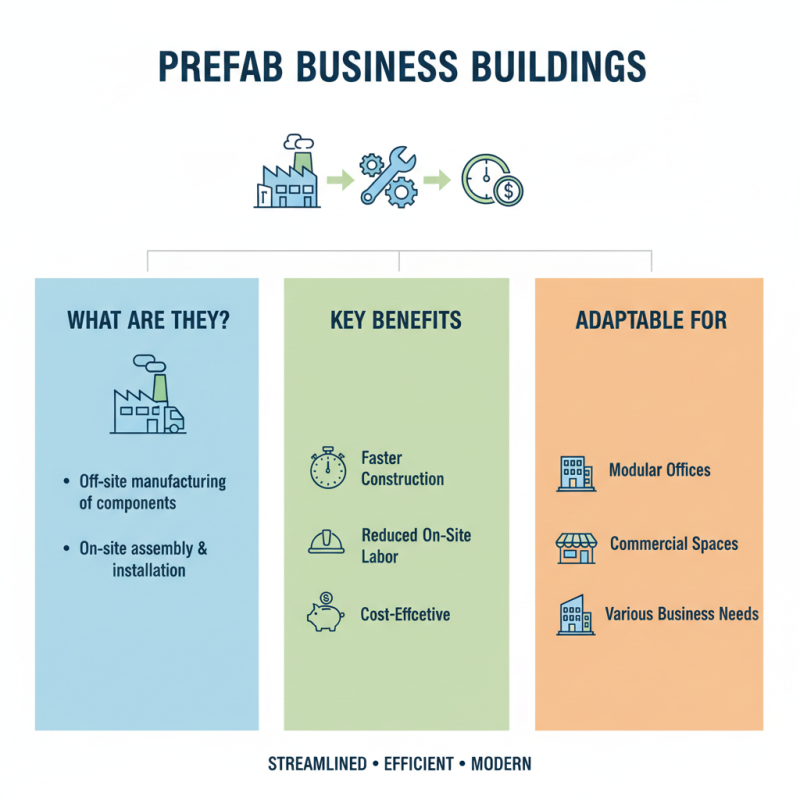
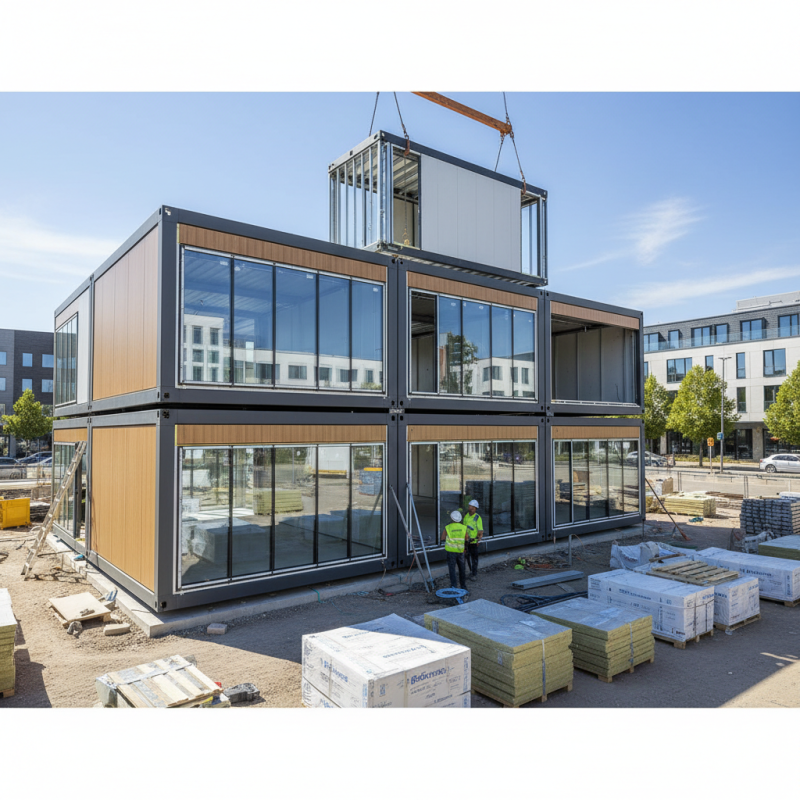
A prefab business building, or prefabricated structure, is a type of construction that involves assembling components manufactured off-site before being transported and installed at the final location. This method streamlines the building process, minimizing on-site labor and construction time, which is particularly beneficial for business owners looking to establish their operations quickly. Prefab buildings can include a variety of designs, from simple modular offices to more complex commercial spaces, and are adaptable to various business needs.
One of the primary advantages of prefab business buildings is their efficiency. The off-site manufacturing process allows for greater control over quality and quicker construction times, often reducing the overall project timeline significantly. Additionally, prefab construction can be cost-effective, as factories can mass-produce components, lowering material and labor costs. This method also tends to produce less waste compared to traditional building techniques, making it an environmentally friendly option. Overall, the combination of speed, efficiency, and sustainability has made prefab buildings an increasingly popular choice for businesses of all sizes.
Benefits of Prefab Construction: Cost, Time Efficiency, and Sustainability
Prefab business buildings are increasingly gaining traction in the construction industry due to their numerous advantages. One of the most compelling benefits of prefab construction is cost efficiency. According to a report from the Modular Building Institute, businesses can reduce overall construction costs by 10-20% when opting for prefab methods. This reduction is attributed to the streamlined manufacturing processes and minimized on-site labor. Prefab buildings are constructed in a controlled factory environment, which allows for better quality assurance and less material waste, translating to significant savings for companies.
Time efficiency is another key advantage of prefab construction. A study by McKinsey found that modular construction can accelerate building time by up to 50% compared to traditional methods. Since components are built off-site simultaneously with site preparation, project timelines are significantly reduced. This rapid turnaround not only helps businesses get their facilities operational sooner but also allows for quicker responses to market needs, enhancing competitive advantage.
Sustainability is also an important factor in the growing popularity of prefab buildings. The same report from the Modular Building Institute highlights that prefab construction typically results in a 20-30% reduction in energy consumption. The use of sustainable materials and efficient building practices contributes to lower carbon footprints, making prefab buildings an eco-friendly choice. As companies increasingly incorporate sustainability into their business models, opting for prefab construction provides an attractive solution that aligns with modern environmental standards.
Industry Growth Trends: The Rise of Prefab Buildings in Commercial Real Estate
The commercial real estate sector is experiencing a notable shift toward prefabricated (prefab) buildings, driven by an increasing demand for efficient and cost-effective construction solutions. As businesses seek to establish their presence quickly and sustainably, prefab buildings offer a compelling alternative to traditional construction methods. This rise in popularity can be attributed to several factors, including advancements in manufacturing technology, improved logistical efficiencies, and the growing emphasis on environmental sustainability in the construction industry.
Industry growth trends indicate that the prefab building market is expanding rapidly, with more developers embracing this approach. Prefab structures can significantly reduce construction timelines, allowing businesses to occupy their spaces sooner. Additionally, the controlled factory environment where prefab components are constructed reduces waste and supports quality assurance. As the commercial real estate landscape continues to evolve, the flexibility and speed of prefab construction are appealing to a variety of sectors, from retail to industrial, aligning perfectly with the fast-paced nature of today’s business environment.
Furthermore, as companies increasingly prioritize sustainability, prefab buildings are often designed with energy efficiency in mind. Many prefab structures utilize recycled materials and are constructed to meet or exceed green building standards. This not only caters to the eco-conscious market but also results in lower operating costs over time. The convergence of these factors positions prefab buildings as a critical solution in the future of commercial real estate development.
Industry Growth Trends: The Rise of Prefab Buildings in Commercial Real Estate
Key Materials and Techniques Used in Prefab Construction
Prefab business buildings have gained popularity due to their efficiency and cost-effectiveness. Key materials used in prefab construction include steel, concrete, and engineered wood products, each selected for their strength, durability, and sustainability. According to the Modular Building Institute, modular construction can reduce energy consumption during the construction phase by up to 67%, primarily due to the controlled factory setting where materials are efficiently utilized and waste is minimized.
Techniques employed in prefab construction often involve advanced manufacturing processes such as computer-aided design (CAD) and robotics, which enhance precision and speed. Recent reports indicate that prefab construction can cut project timelines by 30% to 50%, providing a significant advantage for businesses looking to minimize downtime. Additionally, many prefab buildings incorporate sustainable practices, utilizing materials with lower environmental impacts and integrating energy-efficient systems, contributing to the growing trend toward green construction methods. This combination of innovative materials and techniques not only meets the demands for quicker construction but also aligns with the increasing emphasis on sustainable development in the construction industry.
Case Studies: Successful Prefab Business Buildings in Various Sectors
Prefab business buildings have increasingly gained traction across various sectors due to their
efficiency and
sustainability. A recent report by McKinsey highlights that prefabricated construction can reduce build time by up to
50% and cut costs by as much as
20%. This method enables businesses to streamline operations, significantly reducing the time between project initiation and completion, allowing for quicker market entry.
For instance, in the healthcare sector, hospitals have adopted prefabricated modular units to expand facilities rapidly; these projects have demonstrated a typical timeline reduction of
30%, crucial during public health emergencies.
In the retail sector, case studies show that companies like chain supermarkets have implemented prefab structures to establish new locations efficiently. According to a study by the National Institute of Building Sciences,
prefabricated buildings can achieve energy savings of
10-15% compared to traditional construction. Additionally, these buildings are highly customizable, allowing businesses to adapt their spaces to meet
specific operational needs while maintaining a sustainable approach. The adaptability and time efficiency of prefab structures make them an
appealing choice for various industries, who are looking to future-proof their operations while minimizing environmental impacts.