What is a Manufactured Building and How is it Different from Traditional Homes?
The concept of a manufactured building stands at the forefront of modern housing solutions. Unlike traditional homes, manufactured buildings are constructed in factories and transported to their sites. According to the U.S. Census Bureau, manufactured housing accounted for about 9% of the total housing market in 2022. This figure reflects a growing acceptance and recognition of manufactured buildings as a viable alternative to conventional construction.
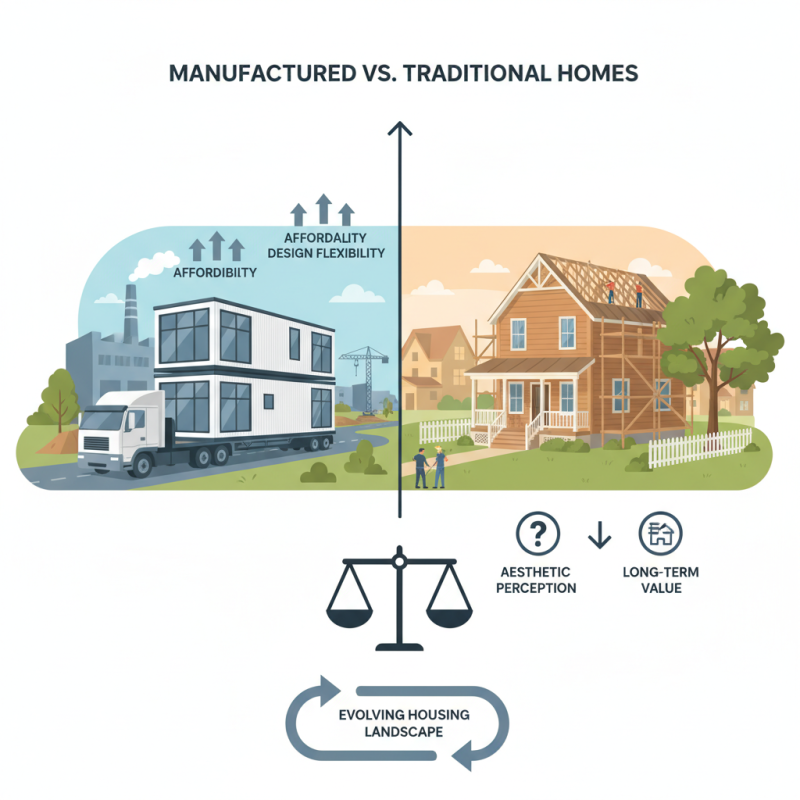
Expert Michael O’Connor, a leading voice in the manufactured housing industry, states, “Manufactured buildings offer affordability and design flexibility while meeting high safety standards.” His insights highlight the industry's commitment to quality and innovation. However, despite these advantages, there are perceptions to challenge. Some believe manufactured buildings lack the aesthetic appeal of traditional homes, raising questions about community acceptance and long-term value.
The landscape of housing is evolving, with manufactured buildings stepping into the spotlight. As the market responds to affordability and sustainability demands, the role of manufactured buildings might become even more significant. Balancing these perspectives is crucial for a holistic understanding of today’s housing options.
Definition of Manufactured Buildings and Key Characteristics
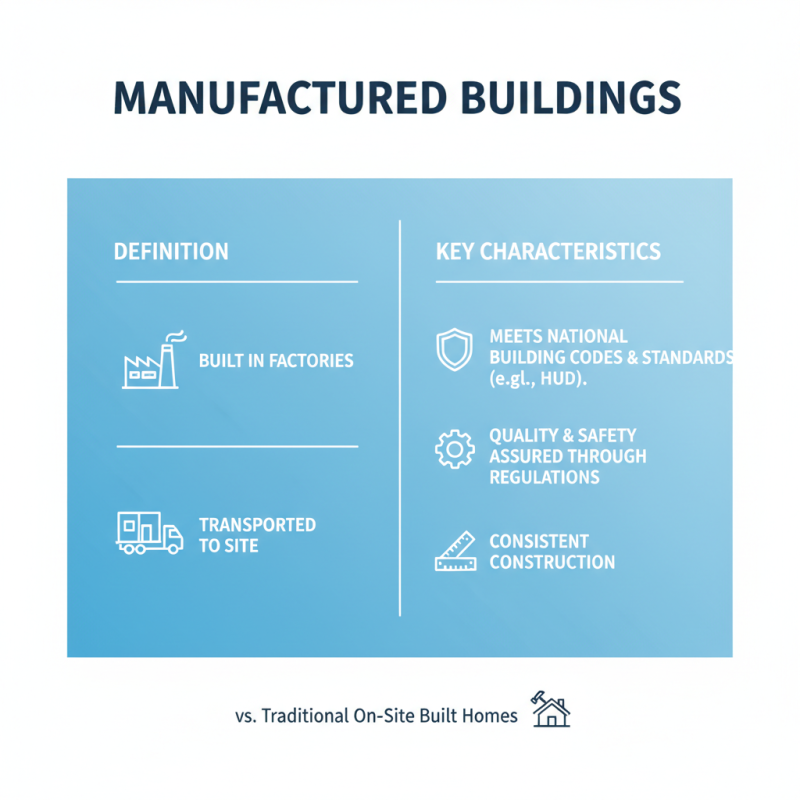
Manufactured buildings are structures built in factories and then transported to their permanent sites. These constructions are designed to meet specific building codes and standards. According to the U.S. Department of Housing and Urban Development (HUD), manufactured homes must follow a strict set of regulations, ensuring quality and safety. This differs from traditional homes, which are typically constructed on-site, often facing variability in building practices and local codes.
A key characteristic of manufactured buildings is their affordability. Industry reports indicate that manufactured homes cost about 10 to 35% less than site-built homes. This price difference makes them appealing to many first-time buyers and those seeking affordable housing solutions. However, potential buyers should be aware that the resale value of manufactured homes can vary significantly based on location and market conditions. Additionally, the perception of manufactured buildings may lead to stigma, affecting their desirability in some regions.
Another notable aspect is the construction time. Manufactured homes can be built in weeks, while traditional home construction may span months or even years. This speed can be advantageous for buyers needing immediate housing. However, quick production can lead to quality control challenges. Discussions around the long-term durability and energy efficiency of these structures are ongoing in the industry. Many manufactured homes now incorporate energy-saving features, though they may not always meet the same standards as conventionally built homes.
Historical Evolution of Manufactured Buildings Compared to Traditional Homes
The evolution of manufactured buildings is a fascinating journey. In the mid-20th century, these structures emerged in response to housing shortages. Initially, they were seen as temporary solutions. Today, they represent a growing segment of the housing market. According to industry reports, manufactured homes make up about 10% of new housing starts in the United States.
Traditional homes typically involve complex building regulations and longer construction times. In contrast, manufactured buildings are constructed in controlled environments. They adhere to the HUD Code, which sets standards for safety and energy efficiency. This difference allows for quicker assembly on site, often within a few days. However, manufactured homes sometimes suffer from a stigma linked to their earlier designs and perceptions of quality.
Recent studies show that modern manufactured homes boast advanced materials and designs, making them more appealing. Their square footage is often comparable to traditional homes. Yet, financing options and property value perceptions can hinder their acceptance in upscale markets. In reality, while they offer affordable housing solutions, they require ongoing discussions about quality and equity in homeownership.
Construction Techniques: Factory vs. On-Site Building Methods
Factory-built homes differ greatly from
traditional on-site constructions. The factory approach streamlines production.
Manufacturers assemble sections of homes under controlled conditions. This method reduces waste and
increases efficiency. It allows for quicker builds.
In ideal conditions, a home can be finished in weeks rather than months.
On-site building methods often involve unpredictable elements. Weather can cause delays. Labor shortages
and site management issues can complicate timelines. Construction materials exposed to the elements
may suffer damage, requiring replacements.
These factors extend the time and increase costs. Traditional building relies heavily on skilled labor.
Despite its proven track record, it can be less efficient than factory methods.
Both construction techniques have their unique advantages. Factory-built homes generally promise
consistency and affordability. Yet, they may lack the
custom touches many homeowners desire.
Traditional methods often allow for more personalization, yet at a higher price point and longer timeline.
It's essential to weigh these factors based on personal needs and preferences.
Advantages and Disadvantages of Manufactured Buildings
Manufactured buildings are prefabricated structures built in controlled environments. They come with unique advantages and drawbacks compared to traditional homes. Understanding these can help potential buyers make informed decisions.
One notable advantage is cost. Manufactured buildings are generally more affordable than traditional homes. They take less time to construct, which can reduce labor expenses. However, the materials used may not always match those in traditional housing, leading to potential durability issues. Quality can vary significantly based on the manufacturer’s standards.
Living in a manufactured building may come with land lease agreements. This could limit your control over modifications and property ownership. Additionally, resale value might not be as high as with traditional homes, impacting long-term investments. Prospective buyers should also consider zoning regulations that may restrict where manufactured homes can be placed.
Tips: Before purchasing, research various manufacturers and their reputations. Inspect the building for quality and compliance with local codes. Gathering feedback from current owners can provide insight into long-term satisfaction. Remember, a well-informed decision leads to better outcomes.
Regulatory Standards and Safety Considerations for Manufactured Homes
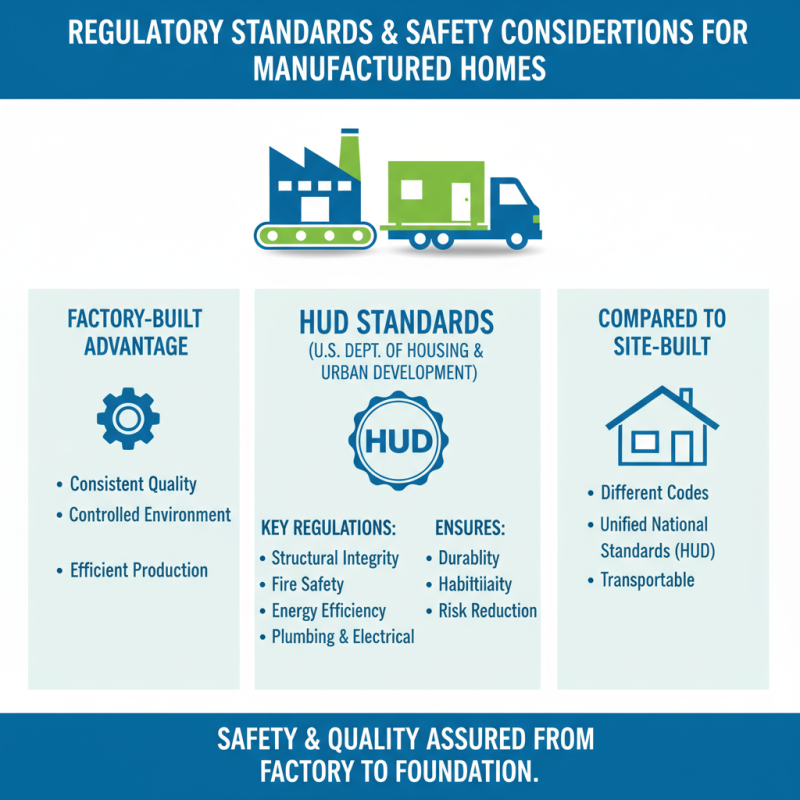
Manufactured homes are built in factories and transported to their sites. They must meet specific regulatory standards, which differ from traditional site-built homes. This focus on regulations ensures consistent safety and quality. The Department of Housing and Urban Development (HUD) establishes these standards. For example, homes must have proper insulation and strong structural integrity to withstand various weather conditions.
Safety is a crucial aspect of manufactured buildings. These homes undergo rigorous tests to ensure safety against fire, environmental hazards, and structural damage. However, some challenges remain. Not all models meet the same standards. Homeowners often face difficulties in verifying compliance. Understanding these nuances is important for potential buyers. A deeper awareness of these regulations can lead to better choices. When evaluating a manufactured home, always consider whether it meets the required safety measures.