How to Choose the Best Modular Construction Offices for Your Project?
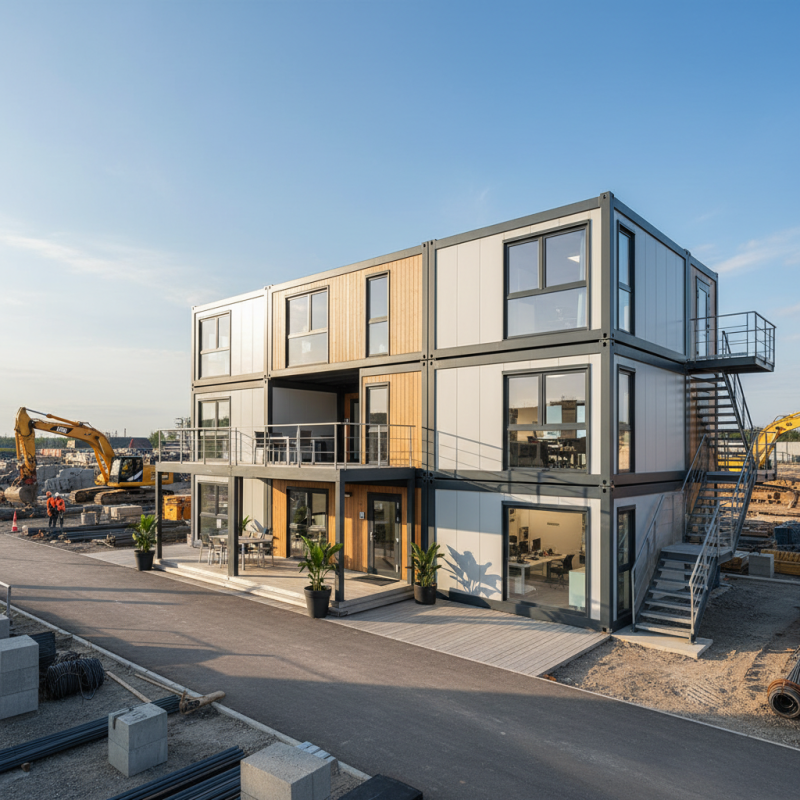
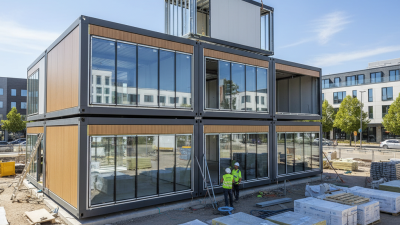
Choosing the right modular construction offices for your project is essential. These offices offer flexibility and efficiency. They can adapt to various business needs, like expanding workforce demands or temporary sites.
However, selecting the best option involves more than just cost. You need to consider layout, functionality, and durability. Not all modular construction offices are created equal. Some may not meet your long-term requirements.
Research is crucial. Visit existing modular offices to see their design and quality. Ask for references and reviews from other users. Reflect on your specific needs and preferences. Finding the balance between aesthetics and practicality can be challenging. Ultimately, the goal is to create a workspace that enhances productivity and comfort.
Understanding Modular Construction: An Overview of Its Benefits
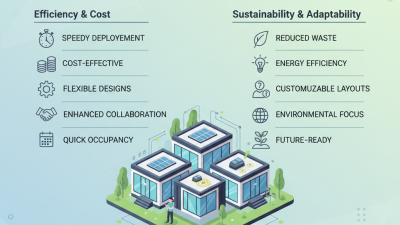
Modular construction has gained popularity for good reasons. It offers significant benefits, particularly in time efficiency. The prefabrication process allows structures to be built in a controlled environment. This means less time is wasted due to weather delays. Construction speed is often doubled compared to traditional methods.
Cost savings are another important factor. Modular buildings usually require fewer labor hours to complete. This can lead to reduced project expenses. However, some may overlook the initial investment in design and planning. It's crucial to understand the full cost implications.
Flexibility is a key advantage in modular construction. These offices can be easily relocated or reconfigured as needs change. This adaptability can be appealing for businesses that expect growth or shifts in operations. However, not all modular designs cater to long-term needs. Planning for future use is essential to avoid unforeseen challenges.
Key Factors to Consider When Selecting Modular Offices
When selecting modular construction offices, several key factors can significantly impact your project's success. One crucial aspect is the layout. A well-thought-out layout can enhance productivity and collaboration among team members. Reports indicate that space efficiency can improve workflow by over 30%. Ensuring that your modular office design accommodates necessary amenities is vital, as workers tend to perform better in comfortable spaces.
Another important factor is construction time. Modular offices typically offer faster installation compared to traditional buildings. In fact, studies show that modular construction can reduce building time by up to 50%. However, this speedy construction sometimes leads to oversight in quality control. There can be variance in craftsmanship, so careful evaluation of materials and construction methods becomes essential.
Budget considerations are also paramount. Modular offices can be more cost-effective, but initial costs may still fluctuate widely based on specifications. Ensure you account for potential additional expenses in site preparation or interior finishing. Transparency in pricing is important; hidden costs can easily derail your budget. Clarity in project specifications helps prevent misunderstandings that may lead to unexpected financial burdens.
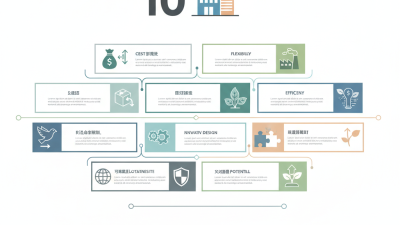
Modular Construction Offices Selection Factors
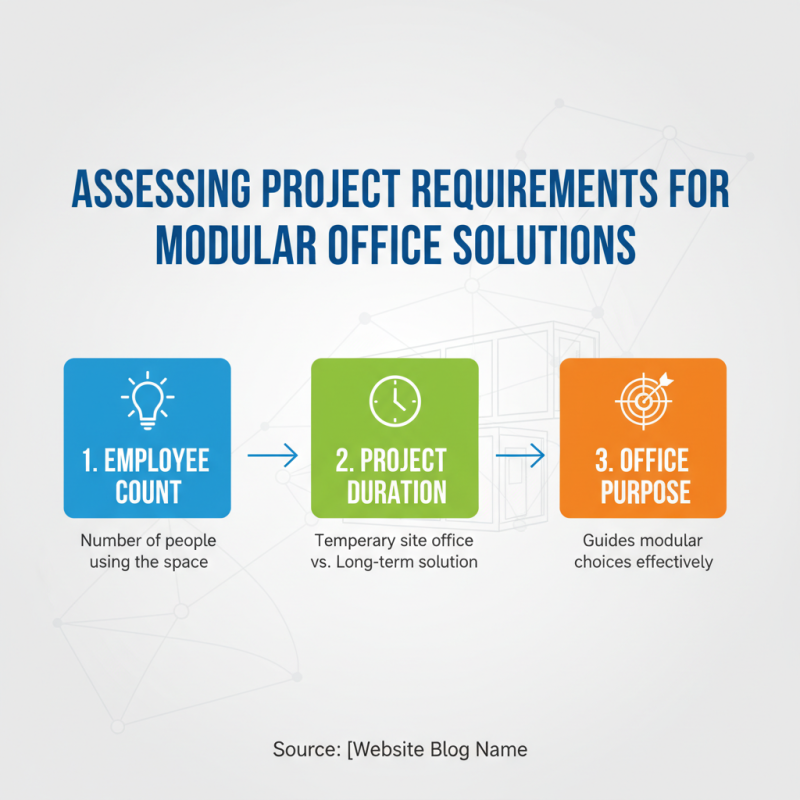
Assessing Project Requirements for Modular Office Solutions
When selecting modular construction offices, assessing project requirements is crucial. Start by identifying the number of employees who will use the space. Will it be a temporary site office or a long-term solution? Understanding the purpose will guide your choices effectively.
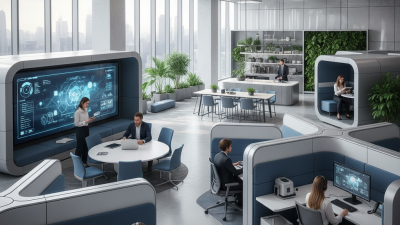
Consider the layout and size of the modular office. It's important to align the design with functional needs. For instance, an open layout can promote collaboration, while individual offices can offer privacy. Think about natural light and ventilation too. This can enhance productivity, which is often overlooked.
**Tips:** Always measure the available land before making a choice. This prevents issues during installation. Don’t forget about utilities. Ensure that connections for electricity and internet will be accessible. Regularly revisit your requirements. As projects evolve, so do needs. A flexible approach can lead to better outcomes.
Comparing Different Modular Office Designs and Layouts
When selecting modular construction offices, design and layout are crucial elements. Look for designs that suit the specific needs of your project. For example, an open layout can promote collaboration, while a closed design may provide privacy for meetings. Factors like natural light and flow between spaces also play a role in function and comfort.
Tips: Consider how many people will use the space. This will help you decide on the size and configuration. Think about your team’s workflow. A poor layout can hinder productivity.
Modular offices can come in various shapes. Some might offer a sleek, modern look. Others may focus on practicality over aesthetics. When comparing options, list your priorities. This will help clarify what features are non-negotiable. Don’t rush the decision. Sometimes, a design may seem appealing but may not serve your needs effectively. Reflection on layout can lead to better choices.
How to Choose the Best Modular Construction Offices for Your Project?
| Design Type |
Size (sq ft) |
Layout Features |
Cost Estimate ($) |
Ideal Use Case |
| Open Plan |
300 |
Collaborative Workspace, Meeting Areas |
$20,000 - $25,000 |
Startups, Creative Agencies |
| Private Office |
200 |
Dedicated Office Space, Desk, Window |
$15,000 - $20,000 |
Consultants, Executives |
| Modular Cubicles |
400 |
Individual Workstations, Shared Space |
$30,000 - $35,000 |
Large Teams, Corporations |
| Conference Room |
500 |
Large Table, Projector Setup |
$25,000 - $30,000 |
Meetings, Workshops |
| Break Room |
150 |
Kitchenette, Seating Area |
$10,000 - $15,000 |
Relaxation, Casual Meetings |
Budgeting for Your Modular Construction Office Project
Budgeting for a modular construction office project requires careful consideration. Start with understanding all potential costs. This includes the price of materials, labor, and site preparation. Unexpected expenses can arise, making a detailed budget essential.
Tips: Always include a contingency budget. Aim for at least 10% of your total project cost for surprises. This cushion can prevent financial stress later.
Consider your project’s duration. Longer projects may incur higher costs. You may overlook ongoing expenses like utility setups or permits. Assessing these can save you from overspending.
Additionally, be realistic about your space needs. Overestimating can lead to unnecessary costs. You might think you need extra rooms, but you may not use them. Reflect on the true requirements for your team.